Demystifying the Three Doshas: Vata, Pitta, and Kapha
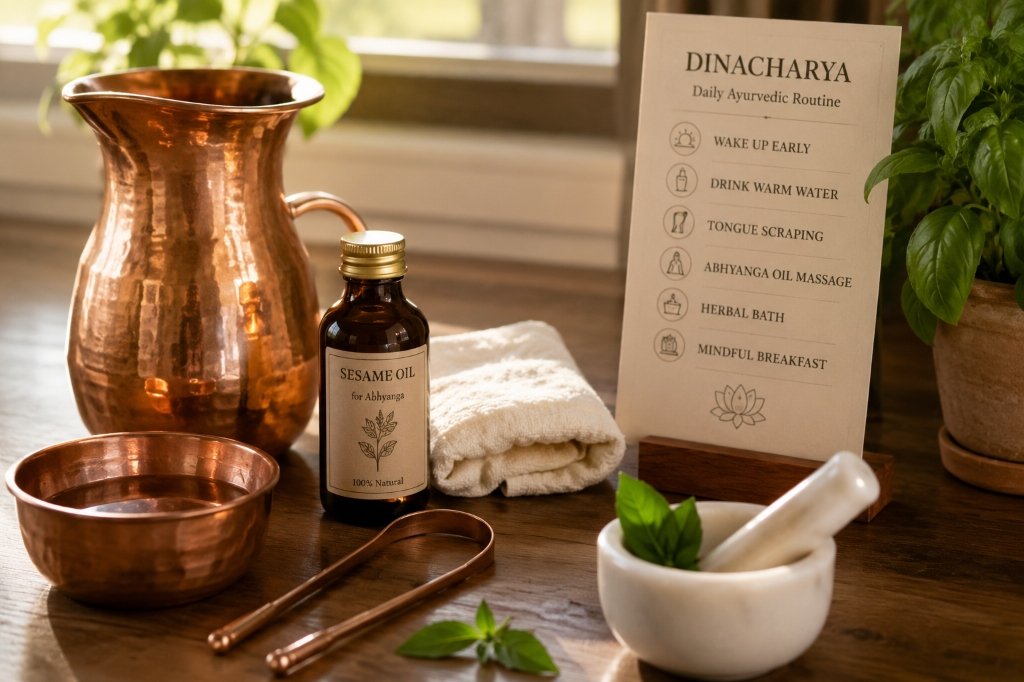
Executive Summary: Ayurveda categorizes biological energy into three primary doshas: Vata (Air & Ether), Pitta (Fire & Water), and Kapha (Earth & Water). Discover how constitutional assessment (Prakriti Pariksha) guides personalized healing.
1. Introduction & Philosophical Foundations
In the ancient science of Ayurveda, health is defined not merely as the absence of infirmity, but as a harmonious state of physical, mental, and spiritual equilibrium. At Sri ASSAS Ayurvedic Medical College & Hospital—the premier private BAMS institution in Andhra Pradesh affiliated with Dr. NTR University of Health Sciences—our academic curriculum and clinical practice integrate timeless Vedic principles with modern biomedical diagnostics.
Whether examining chronic metabolic disorders, joint degenerations, or mental distress, Ayurvedic clinical practice traces symptoms back to underlying biological imbalances (Dosha Vaishamya), digestive fire impairment (Agni Mandya), and metabolic endotoxin accumulation (Ama). Patients seeking authentic Ayurvedic consultations in Vijayawada, Visakhapatnam, Guntur, Tirupati, and Hyderabad consistently benefit from this root-cause therapeutic methodology.
2. Clinical Pathology & Physiological Principles
Understanding the physiological mechanics requires a detailed study of Ayurvedic histology (Dhatu Siddhanta) and channel dynamics (Srotas). Human physiology is supported by seven fundamental tissues: Rasa (plasma), Rakta (blood), Mamsa (muscle), Meda (fat), Asthi (bone), Majja (marrow), and Shukra/Artava (reproductive fluid).
When lifestyle indiscretions or environmental stressors vitiate the doshas, the disturbed humors enter the tissue channels, causing blockage (Srotorodha) and tissue depletion (Dhatu Kshaya). In our 60-bed teaching hospital OPDs, BAMS scholars undergo practical clinical training to evaluate pulse diagnosis (Nadi Pariksha), tongue inspection (Jihwa Pariksha), and systemic symptoms to formulate targeted herbal and Panchakarma treatment plans.
3. Classical Ayurvedic Interventions & Formulations
Therapeutic management in Ayurveda relies on a dual approach: Shamana Chikitsa (palliative internal medication) and Shodhana Chikitsa (bio-purificatory detox therapies):
- Dravyaguna Formulations: Utilizing classical preparations such as Kwathas (decoctions), Churnas (herbal powders), Asavas/Arishtas (fermented tonics), and Guggulu preparations tailored to individual Prakriti.
- Panchakarma Therapies: Applying specialized procedures like Abhyanga (medicated oil massage), Swedana (herbal steam bath), Vamana (emesis), Virechana (purgation), Basti (medicated enema), and Nasya (nasal administration).
- Ahara & Vihara Guidance: Prescribing wholesome dietary regimens (Pathya Ahara) that kindle digestive fire (Agni) without creating inflammatory waste.
4. Academic & Research Excellence at Sri ASSAS BAMS College
Sri ASSAS Ayurvedic Medical College stands as a beacon of quality AYUSH education across Andhra Pradesh and Telangana. Featuring state-of-the-art Dravyaguna herbariums, Dissection Halls, Panchakarma Theatre units, and an extensive Central Library, the college prepares future Vaidyas to excel in clinical practice, research, and healthcare administration.
Students pursuing the Bachelor of Ayurvedic Medicine and Surgery (BAMS) degree under Dr. NTR University of Health Sciences receive immersive bed-side teaching, clinical rotations, and community health training, ensuring high NEET-UG cut-off standards and excellent career placement in government hospitals, private wellness resorts, and pharmaceutical research labs.
Frequently Asked Questions (AEO & Search Answers)
Q1: What are the key career opportunities after completing BAMS at Sri ASSAS College in AP?
Graduates holding a BAMS degree from Sri ASSAS Ayurvedic Medical College can practice as registered Medical Officers (MO) in government AYUSH hospitals, open private Ayurvedic clinics, pursue post-graduation (MD/MS Ayurveda), or join global wellness and pharmaceutical research companies across Andhra Pradesh, Telangana, and pan-India.
Q2: How does Sri ASSAS Ayurvedic College integrate practical hospital training?
Sri ASSAS features a fully functional 60-bed teaching hospital with active OPD and IPD departments including Panchakarma, Shalya Tantra (Surgery), Shalakya Tantra (ENT/Ophthalmology), Prasuti Tantra (Gynecology), and Kaumarabhritya (Pediatrics), providing students with hands-on clinical exposure from their early academic years.
Q3: Is Sri ASSAS Ayurvedic Medical College approved for NEET admissions 2026-27?
Yes, Sri ASSAS Ayurvedic Medical College is fully recognized by the National Commission for Indian System of Medicine (NCISM), Ministry of AYUSH, and affiliated with Dr. NTR University of Health Sciences (NTRUHS), Vijayawada, for annual BAMS NEET-UG counseling admissions.